With a billion eyes on MetLife Stadium, traffickers will be watching too — and a bill moving through Trenton would limit law enforcement’s ability to stop them
By Marie Tasy
Jean Marie Davis knows exactly how traffickers move their victims. She was one of those victims — transported repeatedly into New Jersey in vehicles with out-of-state license plates, through New Brunswick, Newark, Atlantic City, and Willingboro. She knows because she later became a trafficker herself. And when she traveled from Vermont to testify before the New Jersey Assembly Appropriations Committee on December 19, her message was unambiguous: identifying vehicle patterns and license plates is critical to uncovering trafficking networks. Weakening access to that data does not protect victims. It protects the people who exploit them.
The Legislature heard her testimony. It chose to advance the bill anyway.
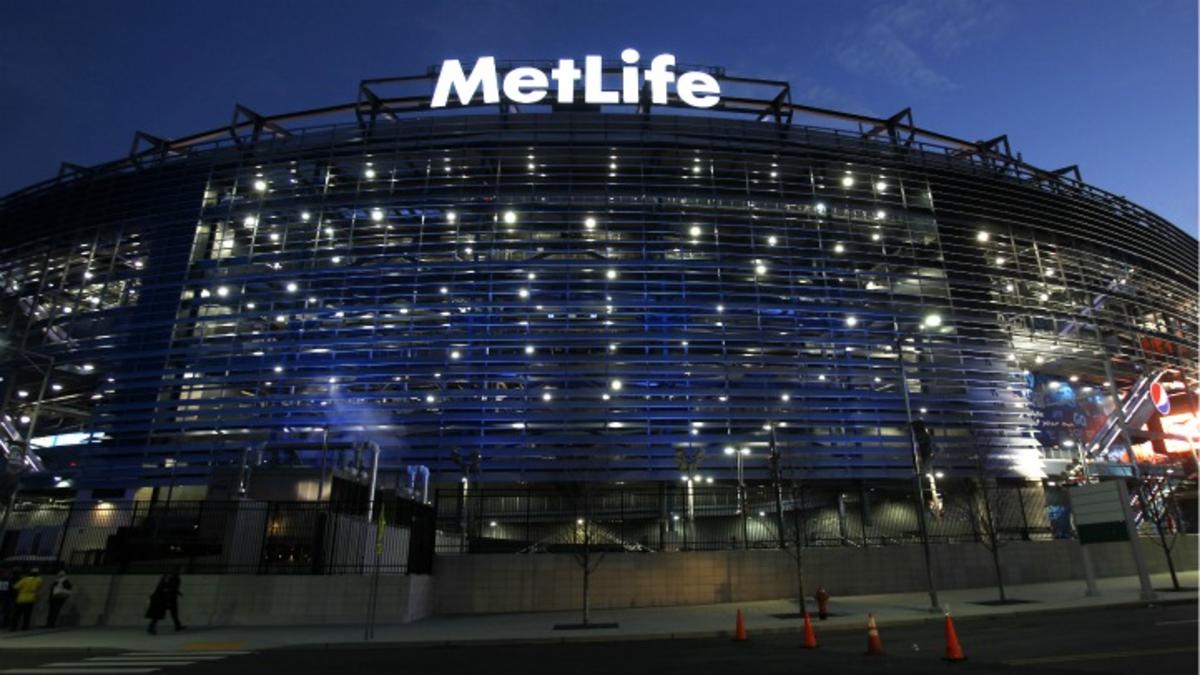
On July 19, MetLife Stadium in East Rutherford will host the 2026 FIFA World Cup Final, the most-watched sporting event on the planet, expected to draw over a billion viewers and more than a million visitors to our region. New Jersey is not simply a host city—we are hosting the main event. Yet at the same time, the state Legislature is moving to restrict one of law enforcement’s most critical tools for identifying trafficking victims before it’s too late.
The legislation, A4532 and its Senate companion S1290, would bar law enforcement from sharing Automated License Plate Reader (ALPR) data across state lines in cases involving “reproductive health care,” a term the sponsors use as a euphemism for abortion. While framed as a shield for patients seeking abortions in New Jersey, its real-world consequences extend beyond that aim and raise broader public safety concerns.
Here is what ALPR data sharing makes possible today: a minor is transported across state lines by a trafficker, law enforcement working across jurisdictions in real time locates that vehicle and intervenes. Under this bill, if an abortion is any part of that case, New Jersey officers could be legally barred from sharing the very data that saves lives. The bill requires New Jersey law enforcement agencies to extract a signed written declaration from any out-of-state agency before handing over ALPR data—explicitly swearing that the information “shall not be used” for such investigations. In plain English, if another state is trying to enforce its own abortion laws, New Jersey will treat its own public-surveillance data as off-limits. The plate scans collected on our highways with our tax dollars will be shielded from use in any proceeding that New Jersey ideologically disapproves of. This is not neutral data policy; it is selective sanctuary for abortion-related activity—while every other interstate investigation will be allowed to go forward unimpeded.
This is not a hypothetical concern. In 2024, the National Human Trafficking Hotline identified 269 human trafficking cases in New Jersey involving 354 victims, including 54 minors. New Jersey sits at the crossroads of New York, Philadelphia, and Baltimore — a prime corridor that traffickers exploit deliberately. An October 2025 Rutgers study found that 3,120 women traveled to New Jersey from out of state for abortions in 2024. While abortion rights advocates celebrate this number, we must truthfully ask how many came here willingly. Federal agencies and anti-trafficking organizations have long documented that major international sporting events bring a surge in sex trafficking. With the World Cup Final months away, our officers will need every tool at their disposal — and this bill strips away one of the most effective.
Supporters of the bill argue that because it does not explicitly mention sex trafficking, it would not impair trafficking investigations. But that assurance is nowhere in the bill’s text. The trigger is not intent — it is subject matter. When legislators were asked to include an explicit trafficking exemption to put that assurance in writing, the request was refused. If the bill’s supporters are truly confident it poses no risk to trafficking investigations, there is a simple remedy: write it into the law. They declined. That is a telling choice.
The bill’s sponsors point to a Texas case in which a woman’s abusive partner reported her to police following a self-administered abortion as justification for the legislation. The sheriff involved was later indicted for aggravated perjury, and no charges were filed against the woman. More importantly, New Jersey already has shield laws that cover exactly this scenario. The trafficking risk this bill creates is not theoretical. The threat it purports to address is already covered.
The Assembly committee advanced the bill on March 9, with Assemblywoman Dawn Fantasia (R-24) casting the sole dissenting vote and speaking forcefully against it. The Senate Law and Public Safety Committee advanced S1290 unanimously on February 19. Trafficking is an interstate crime prosecuted federally for a reason. This bill inserts a state-level obstruction into that federal framework at precisely the worst moment.
On July 19, the eyes of the world will be on New Jersey. Traffickers will be working — they always are, and major international sporting events are well documented to accelerate that activity. The question is whether our law enforcement will have every tool available to find their victims, or whether this Legislature will have taken one away. Every legislator who votes for this bill will own that answer. New Jersey should not become a safe harbor for traffickers. This legislation would make it one.