LAVALLETTE, N.J. — Trenton never met a tragedy it couldn’t turn into a mandate.

The September 19th accident at Meg’s Grill in Lavallette was unquestionably horrific. A 93-year-old driver reportedly hit the accelerator instead of the brake, sending her vehicle into the restaurant’s outdoor dining area. Ursula “Sandie” Keating, 56, was killed and seven other patrons were injured.
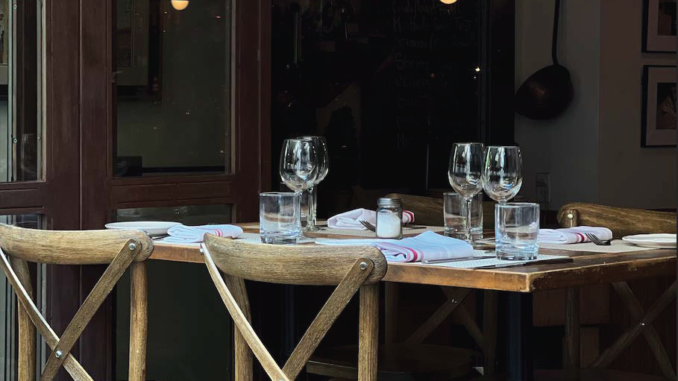
Now State Sen. Jim Holzapfel (R-Monmouth, Ocean) wants New Jersey restaurants to install bollards or other approved barriers to prevent something similar from happening again.
“If a restaurant wants to offer dining directly next to an active roadway, there should be a basic safety requirement for protective bollards or other approved barriers between diners and traffic so a simple meal out doesn’t suddenly turn to tragedy,” Holzapfel said in announcing his forthcoming legislation.
It sounds reasonable. But is there actually a problem here for Trenton to solve?
Save Jersey reviewed New Jersey news reports stretching back to 2006 and couldn’t find another documented case in which a vehicle killed a patron in a restaurant’s outdoor dining area. That’s one documented fatality in two decades. There are important caveats. New Jersey doesn’t maintain an easily searchable statewide category for “outdoor dining” crashes, so we can’t definitively say another fatality never happened. But we can say evidence of a statewide epidemic is awfully hard to find.
There have been other incidents. In 2020, an SUV crashed through the outdoor dining setup at Nellie’s Place in Waldwick after its driver reportedly lost consciousness. Nobody was hurt because the tables happened to be empty. That same year, three outdoor diners at Arminio’s Italian Corner in Chatham were injured after a tractor-trailer struck a utility pole that fell into the restaurant’s outdoor seating area.
And in 2021, a spectacular crash at a South Brunswick Wendy’s sent vehicles into outdoor tables where a family was eating.
The diners escaped without injury.
In other words, these things can happen. Virtually anything can happen.
That’s not the same thing as demonstrating a problem requiring statewide regulation.
We don’t yet know how many restaurants Holzapfel’s legislation would affect. We don’t know what barriers would satisfy the proposed law, what installation would cost, how requirements would differ depending upon a restaurant’s proximity to traffic, or how the mandate would work where restaurants don’t control the sidewalk or right-of-way.
Those aren’t minor details for an industry that already navigates a mountain of state and local regulations.
And bollards themselves aren’t magic. A barrier engineered to stop a moving automobile is different from a decorative post designed to separate pedestrians from traffic. Location, vehicle speed, spacing, anchoring and site conditions all matter.
Could barriers make sense at some particularly vulnerable outdoor dining locations? Absolutely.
That’s why municipalities, restaurant owners, engineers and insurers are perfectly capable of evaluating individual locations without Trenton declaring that every restaurant meeting some yet-to-be-written definition needs another government-mandated capital improvement.
The instinct is understandable: something terrible happened, therefore something must be done.
But good public policy requires another question:
Would the proposed solution address a recurring problem—or simply make lawmakers feel like they’ve responded to the last headline?
Based on the available New Jersey history, that’s a question legislators should answer before adding another mandate to the menu.