By Matt Rooney

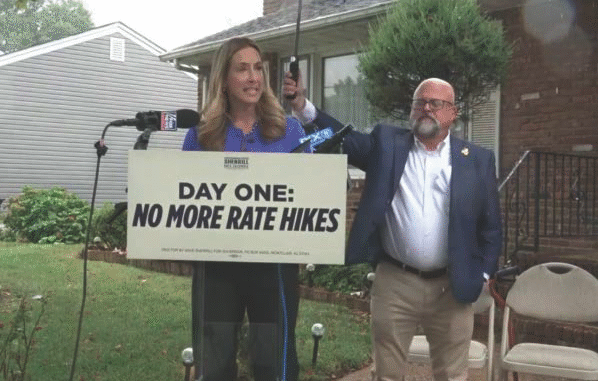
Governor Mikie Sherrill ran for office promising to freeze New Jersey’s skyrocketing electric rates.
Now, South Jersey families are opening notices warning that their monthly bills may jump yet again.
Congressman Jeff Van Drew is demanding answers from Atlantic City Electric after the utility informed customers that the average residential bill could increase from about $158 to $184—including roughly $23 in higher supply costs and another $5 in delivery charges.
The timing couldn’t be worse for a governor who made utility affordability a centerpiece of her campaign, Save Jerseyans. Despite declaring a State of Emergency on Utility Costs and touting efforts to provide relief, New Jersey residents continue to see the opposite: higher bills.
“Families across South Jersey are already paying some of the highest electric rates in the country,” Van Drew said Friday. “Many are trying to figure out how to keep their homes cool this summer while still paying for other basic expenses.”
Van Drew also questioned why Atlantic City Electric continues seeking additional revenue while Trenton insists it’s working to protect ratepayers.
“The trust between ACE and the people it serves has been completely eroded,” he said. “Bills have continued to rise, and people have not seen meaningful relief.”
The congressman said the utility should focus on lowering costs instead of finding “new ways to increase them every few months.”
For Sherrill, the political problem is obvious. Voters don’t judge utility policy by press releases, emergency declarations, or one-time rebate checks. They judge it by the number printed at the bottom of their electric bill.
And that number keeps climbing.
Every new increase further undermines one of the governor’s signature campaign promises while fueling criticism that Trenton’s energy policies have made New Jersey less affordable, not more.
Atlantic City Electric now faces questions from Congress. Governor Sherrill faces an even tougher one from New Jersey families:
If this is what a “rate freeze” looks like, what would a rate hike have looked like?